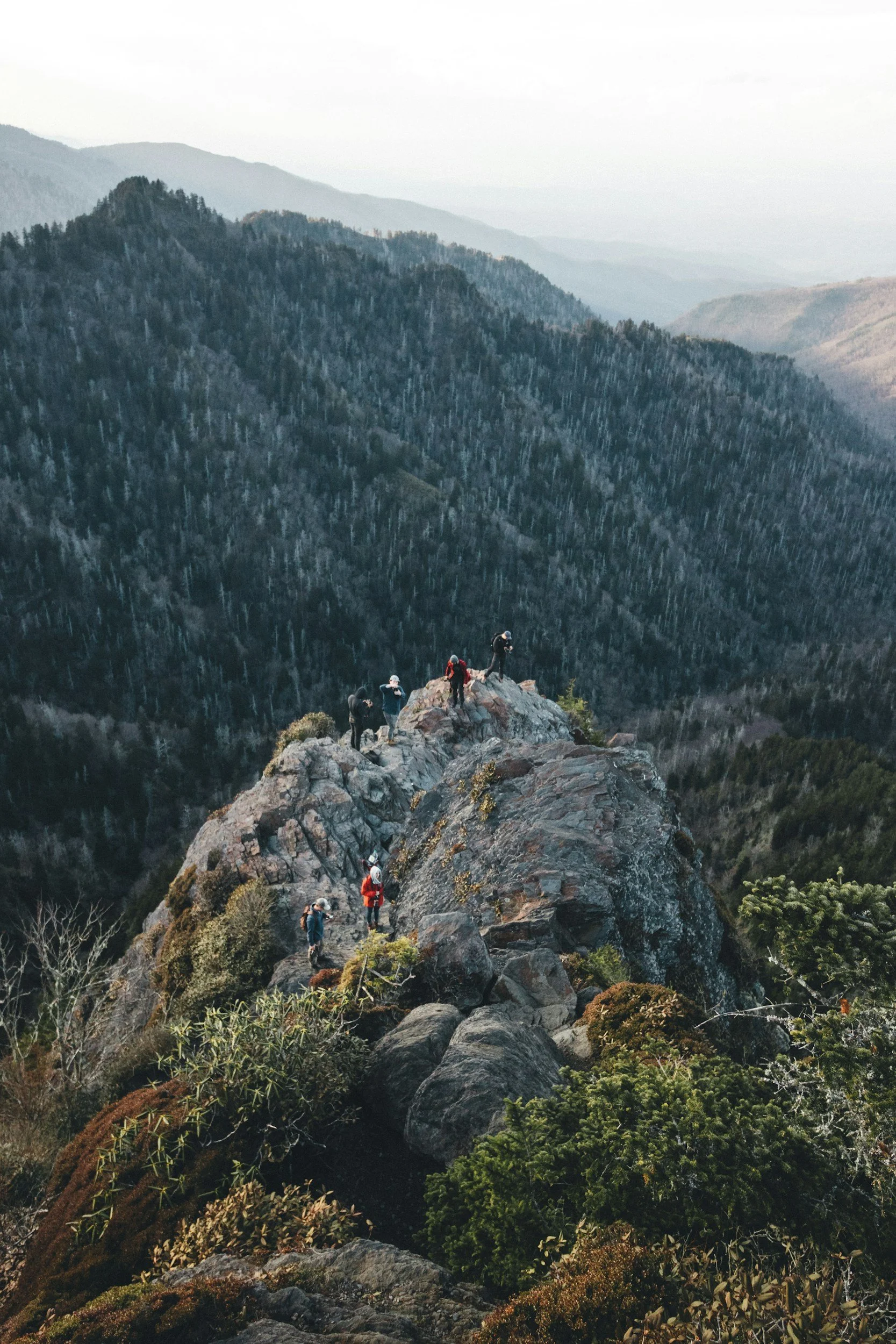
We live in a moment when nature has never been more visible, marketable, or central to identity, while the natural world itself is collapsing.
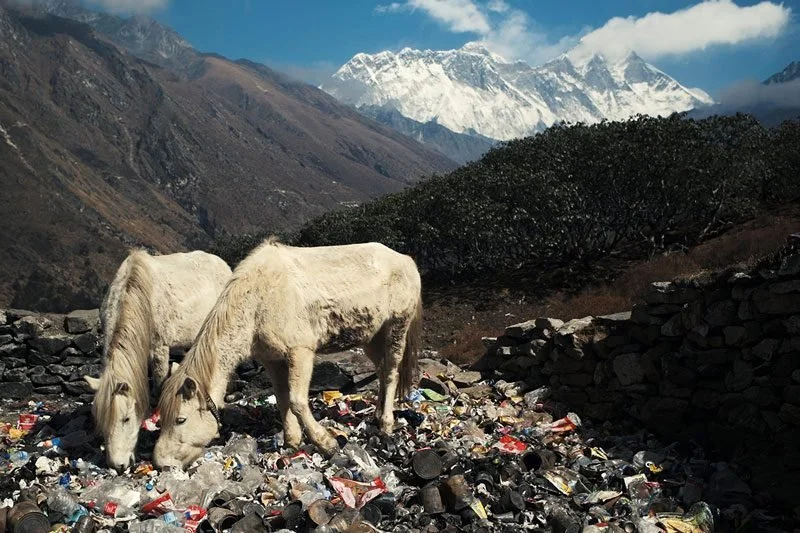
Photo: Martin Edström/Sagarmatha NextHow can a culture so fluent in the language of nature remain so unwilling to protect it?
We have built entire identities, industries, and ways of life around loving nature. We travel to be closer to it, build careers around it, photograph it, recreate in it, and use it to tell the world who we are. Somewhere along the way, that proximity to nature was proof of care.
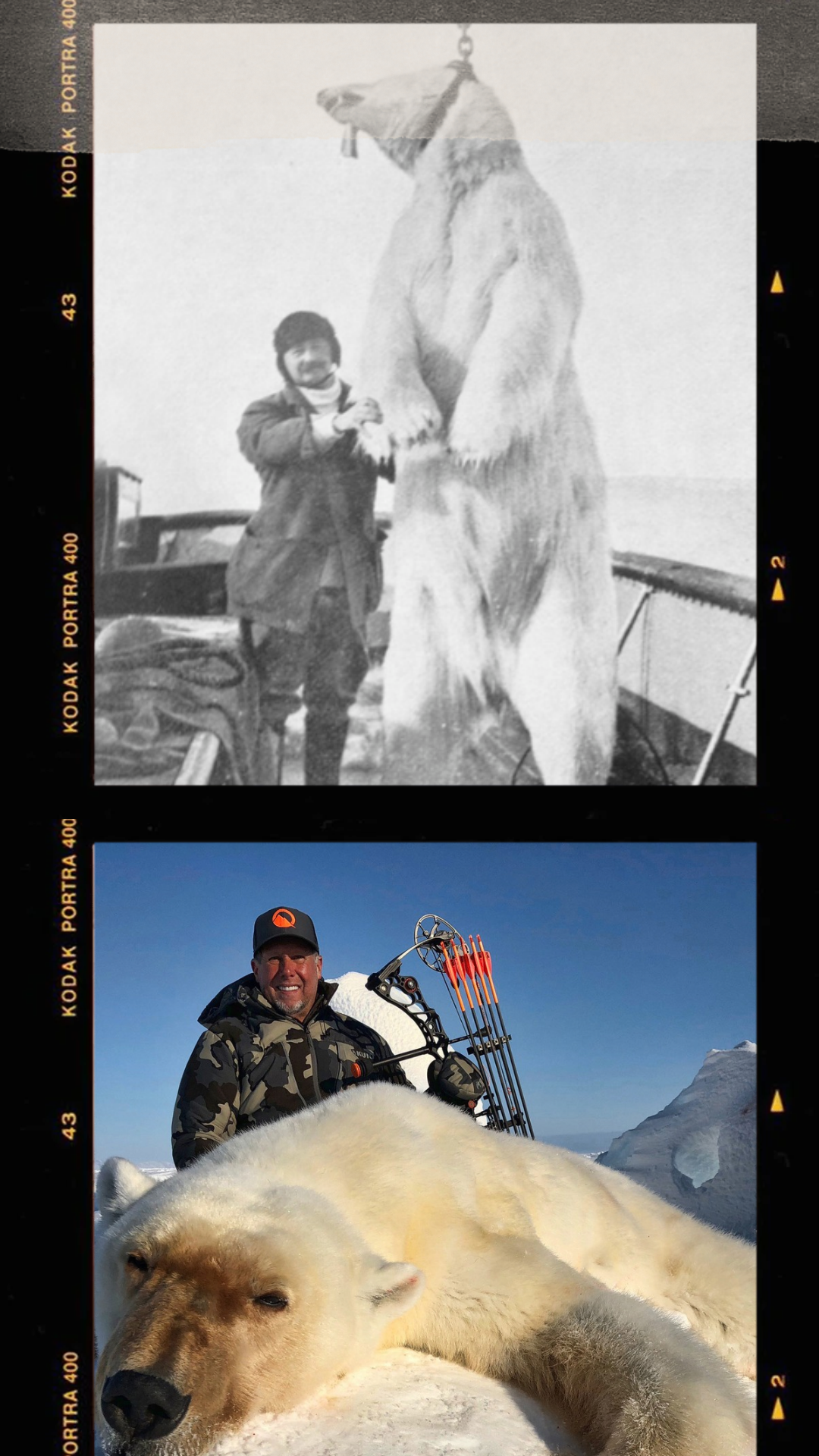
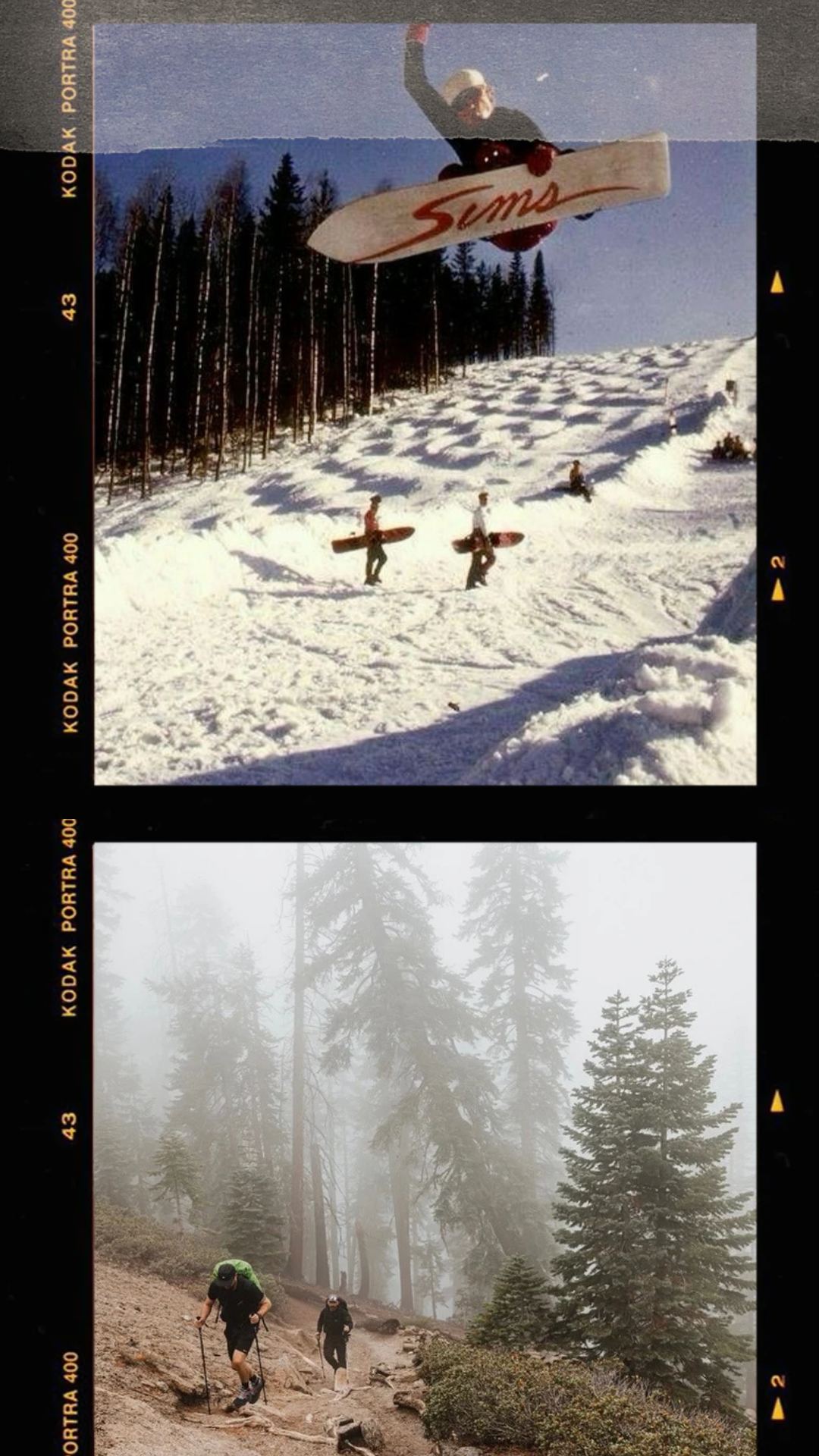
But being close to nature is not the same as being accountable to it. The industries most associated with wild places are often granted environmental credibility before they have done anything to earn it. The outdoor industry appears protective because it sells access to mountains. Tourism appears protective because it celebrates beautiful places. Wildlife media appears protective because it makes animals visible. A company can place nature at the center of its identity while leaving the systems harming it completely untouched.
That is how the imbalance became culturally acceptable. Nature doesn’t simply appear in the marketplace. It gives the marketplace moral authority. And because we have mistaken association with nature for responsibility to it, businesses can continue drawing value from the natural world while avoiding the harder question of what that relationship should require of them.
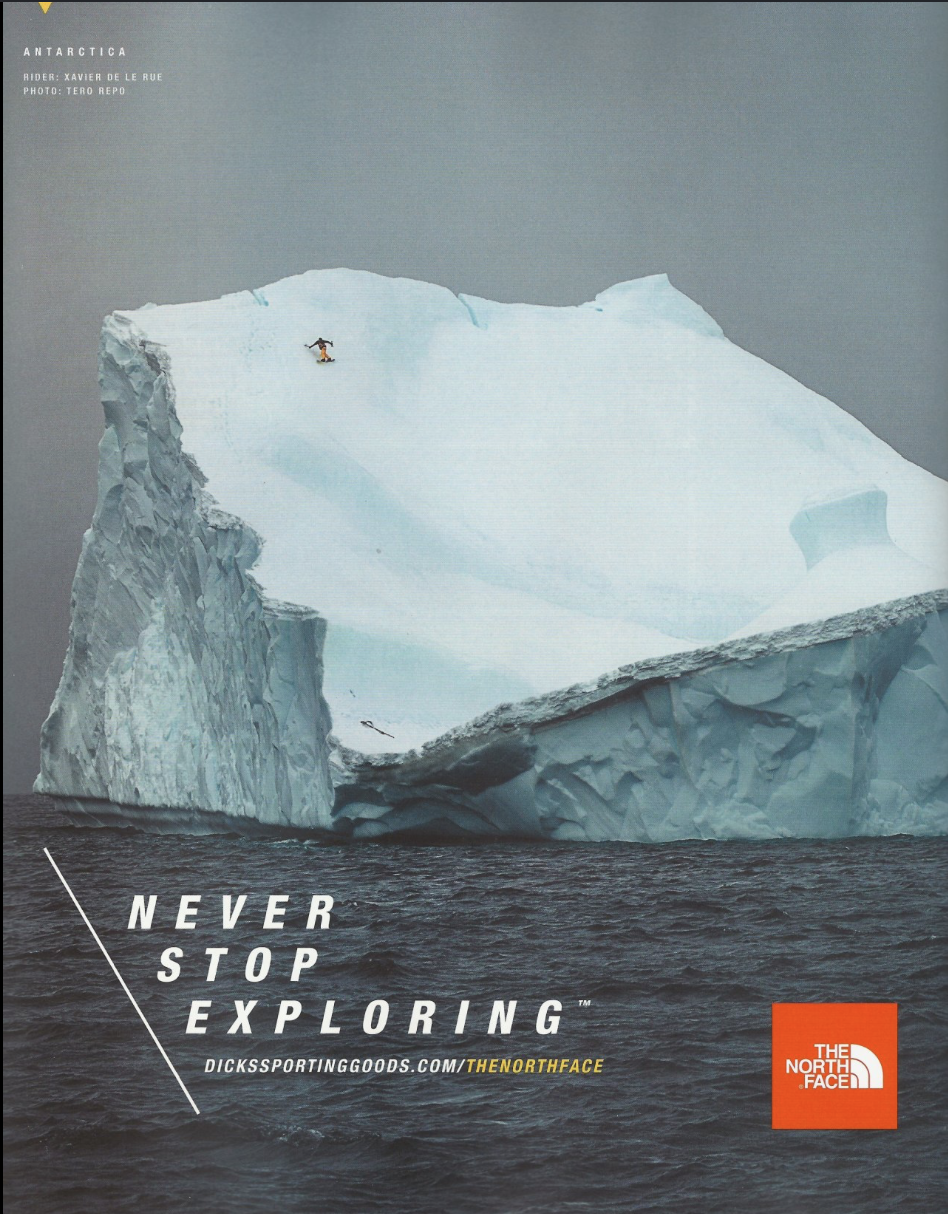
Nature has become one of the most powerful commercial languages in modern life.
The Business of Nature
A mountain does more than sell a jacket or a vehicle. It gives the product a sense of freedom it could never create on its own.
Wildlife gives companies the appearance of being connected to something larger than commerce. The natural world lends credibility to the people and institutions that place themselves closest to it.
That is especially powerful in outdoor culture, where association with wild places is often treated as evidence of environmental responsibility.
A company can build its entire identity around nature and still leave the systems destroying habitat and wildlife completely untouched.
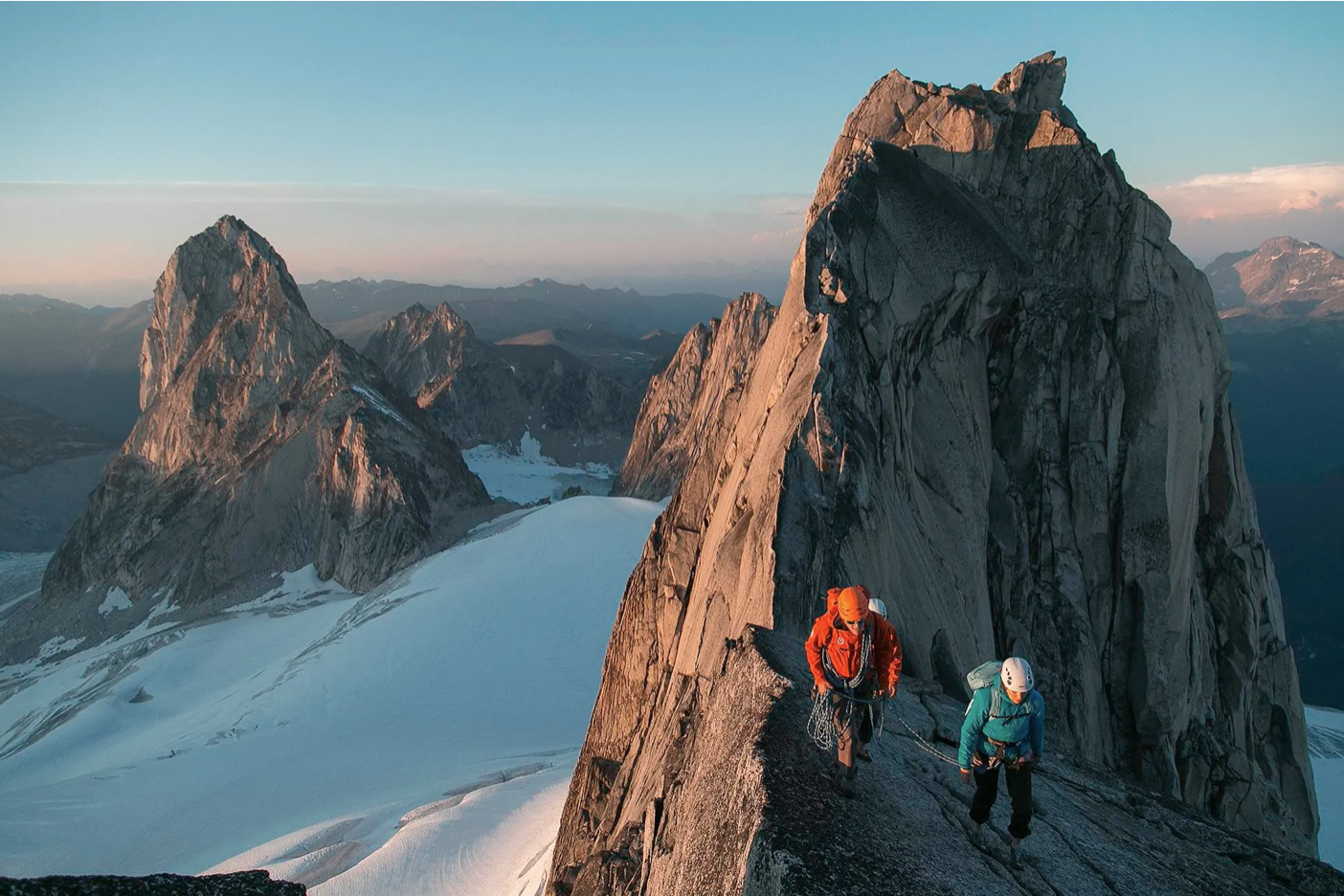
What is being borrowed is not only imagery.
It is virtue.
And that borrowed virtue has made it possible for businesses to profit from the meaning of nature without being forced to answer a much harder question–
What does their dependence on the natural world actually require of them?
Who Gets to Define Responsibility?
Brands use nature to build aspiration.
They sell a lifestyle through the promise of connection to the wild.
Mount Everest becomes a symbol of endurance and resiliency. Wildlife gives products character, and remote landscapes make ordinary consumption feel like aspiration.
These stories create attention, identity, and commercial value. None of that value returns to the places and wildlife that make the story possible. Nature generates the sale but is excluded from the profit.
If Earth is our only shareholder–where is its dividend?
When Nature Has the Power to Refuse
Wildlife and habitat stop being beneficiaries of human goodwill and are designated rights bearing personhood, capable of limiting what humans and businesses are permitted to do.
Areas of Focus - How I Can Help
My work examines the cultural systems that make exploitation look like connection to the natural world.
I look at the stories businesses, nonprofits, media, and outdoor institutions tell about their relationship to nature, and where those stories preserve the same human authority that created the problem. The goal is not to make environmental messaging more persuasive. It is to change what responsibility means, whose interests are allowed to shape the decision, and what protection requires when wildlife and habitat are treated as more than resources, scenery, or beneficiaries of human generosity.
I bring this work into public conversation through impact strategy, advocacy, and media.
Speaking
Talks, panels, screenings, and public conversations that challenge the assumptions shaping outdoor culture, conservation, and environmental responsibility.
Essays, commentary, editorial projects, and commissioned work examining the cultural systems behind climate, wildlife, and the business of nature.
Writing
Strategy + Consulting
Work with organizations, campaigns, publications, and cultural institutions that are prepared to examine the stories they are reinforcing, the interests missing from their decisions, and what meaningful protection would require.